Embark on a journey into the realm of Home Interior Design Cost Breakdown: What You Need to Know. This captivating title sets the stage for unraveling the intricacies of interior design expenses, blending informative insights with a touch of allure.
Delve into the nuances of budget breakdowns and design costs with clarity and depth in the subsequent paragraphs.
Understanding Home Interior Design Cost Breakdown
When embarking on a home interior design project, it is crucial to have a clear understanding of the cost breakdown to effectively manage your budget and expenses.
Typically, a home interior design cost breakdown consists of various components that encompass different aspects of the project. By knowing these breakdown components, you can plan and allocate your budget more efficiently.
Components of a Home Interior Design Cost Breakdown:
- Materials: This includes the cost of all materials required for the project, such as flooring, paint, furniture, and fixtures.
- Labor: The expenses associated with hiring professionals like designers, contractors, painters, and electricians.
- Permits and Fees: Costs related to obtaining permits, inspections, and other regulatory requirements.
- Design and Planning: Fees for design consultations, blueprints, and project management.
- Decor and Accessories: Expenses for decorative items, artwork, and accessories that enhance the overall aesthetic of the space.
Examples of Typical Expenses Included in the Breakdown:
- Paint and Wallpaper:Costs for purchasing paint, wallpaper, and other wall treatments.
- Furniture:Expenses for buying new furniture pieces or refurbishing existing ones.
- Lighting Fixtures:Cost of installing new lighting fixtures or updating existing ones.
- Consultation Fees:Charges for design consultations and professional advice.
Importance of Knowing the Cost Breakdown Before Starting a Project:
Understanding the cost breakdown before initiating an interior design project allows you to set realistic expectations, avoid budget overruns, and make informed decisions throughout the process. It helps you prioritize expenses, identify areas where you can save money, and ensure that the project stays within your financial constraints.
Factors Influencing Home Interior Design Costs
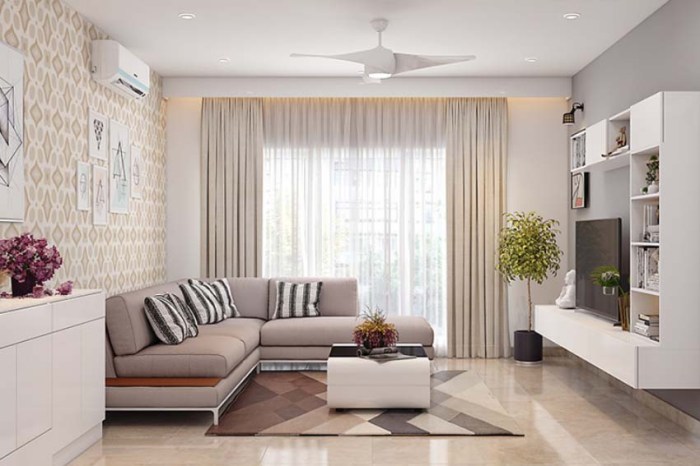
When it comes to home interior design, several factors can significantly impact the overall cost of the project. Understanding these key factors is essential for planning and budgeting effectively.
Materials and Finishes
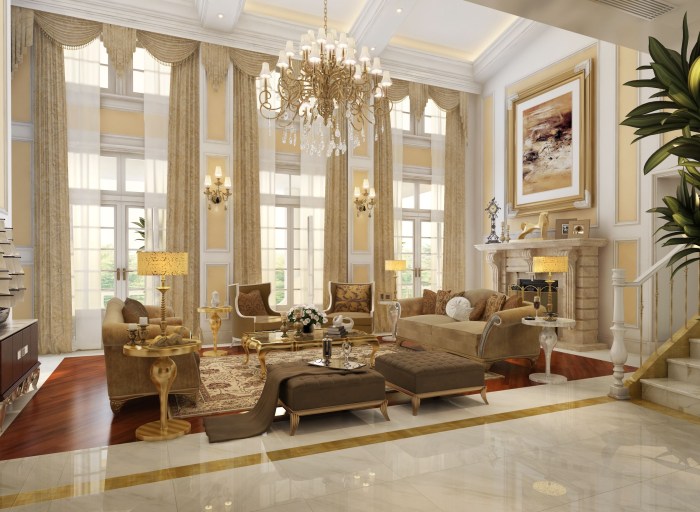
The choice of materials and finishes plays a crucial role in determining the cost of home interior design. High-end materials such as marble, hardwood, or designer fabrics will undoubtedly increase the overall budget. On the other hand, opting for more budget-friendly alternatives can help keep costs in check without compromising on style.
Size and Complexity of the Project
The size and complexity of a home interior design project can also influence the cost breakdown. Larger spaces requiring more furnishings, decor, and customization will naturally cost more than smaller, simpler projects. Additionally, intricate design elements, unique architectural features, or specialized installations can add to the overall expenses.
Budgeting for Home Interior Design Projects
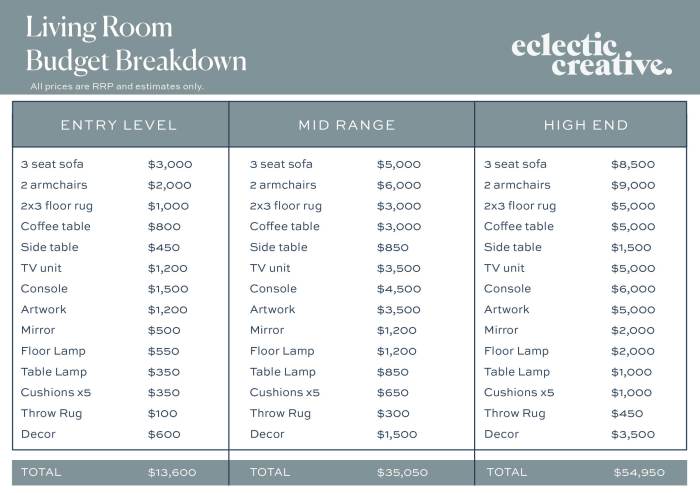
When embarking on a home interior design project, it is crucial to create a realistic budget to ensure that the project stays on track financially. By following specific steps and setting priorities, you can effectively manage costs and achieve the desired outcome within your financial means.
Steps for Creating a Realistic Budget
- Assess your financial situation: Determine how much you can comfortably spend on the project without straining your finances.
- Research costs: Research the average costs of materials, labor, and other expenses related to home interior design in your area.
- Set a contingency fund: Allocate a portion of your budget for unexpected expenses that may arise during the project.
- Consult with professionals: Get quotes from interior designers, contractors, and suppliers to get a better understanding of the costs involved.
Significance of Setting Priorities
Setting priorities when allocating your budget is essential to ensure that the most critical aspects of the design are addressed first. This may include investing more in high-traffic areas like the living room or kitchen and allocating less to less frequently used spaces.
Tips for Managing Costs
- Plan ahead: Create a detailed project plan outlining all expenses and timelines to avoid any surprises.
- Compare quotes: Obtain multiple quotes from different vendors to ensure you are getting the best value for your money.
- DIY where possible: Consider tackling some tasks yourself, such as painting or simple installations, to save on labor costs.
- Stick to the plan: Avoid making impulse purchases or changes to the design plan that can lead to cost overruns.
Cost-Saving Strategies in Home Interior Design
When looking to design your home on a budget, there are several cost-saving strategies that can help you achieve a beautiful space without breaking the bank. By exploring different approaches and being creative, you can reduce expenses while still maintaining quality.
Repurpose and Upcycle
One way to save on home interior design costs is to repurpose and upcycle items you already own or find secondhand. Consider giving old furniture a fresh coat of paint, reupholstering chairs, or repurposing items for new functions. This can give your space a unique and personalized touch without the hefty price tag of buying everything new.
DIY Projects
Another cost-saving strategy is to tackle some DIY projects yourself. Whether it's painting a feature wall, creating your own artwork, or upcycling furniture, DIY projects can save you money on labor costs and allow you to put your personal stamp on your home.
Shop Smart
When it comes to purchasing new items for your home, be a savvy shopper. Look out for sales, discounts, and clearance items to snag great deals on furniture, decor, and accessories. You can also consider shopping at thrift stores, estate sales, or online marketplaces for unique finds at a fraction of the cost.
Focus on High-Impact Areas
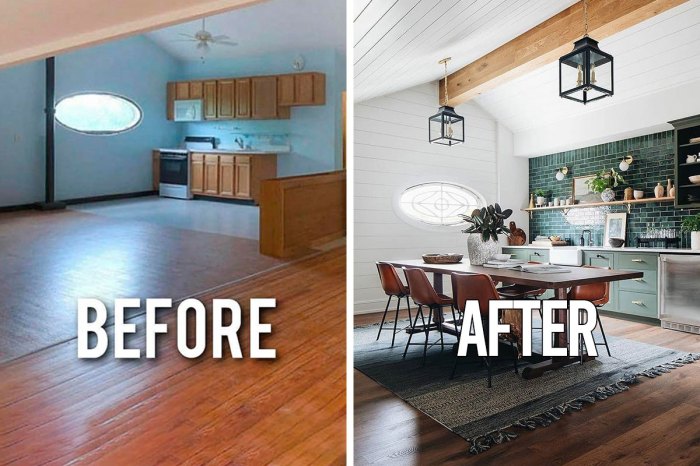
To maximize your budget, focus on high-impact areas of your home where a little investment can make a big difference. For example, updating lighting fixtures, changing cabinet hardware, or investing in statement pieces like a stylish rug or artwork can instantly elevate the look of a room without spending a fortune on a complete overhaul.
Final Review
Concluding our exploration of Home Interior Design Cost Breakdown: What You Need to Know, we reflect on the key points discussed, leaving you with a lingering sense of understanding and inspiration.
FAQ Overview
What factors influence home interior design costs the most?
Factors such as materials, finishes, and project size play a significant role in determining the overall cost of interior design projects.
How can one effectively manage costs during an interior design project?
Effective cost management involves setting priorities, creating a realistic budget, and exploring cost-saving strategies without compromising on quality.
Are there any creative ideas to achieve a high-end look on a budget?
Yes, exploring different cost-saving tips, tricks, and approaches can help achieve a luxurious aesthetic without exceeding the budget.