Embark on a journey through The Complete Guide to Hiring a Professional Interior Designer, where expertise meets creativity in the realm of interior design. This comprehensive guide promises insights into the intricate process of selecting the perfect designer for your project, ensuring a harmonious blend of vision and execution.
Delve into the nuances of qualifications, budgeting considerations, and effective collaboration to unlock the secrets of a successful interior design venture.
Understanding the Role of an Interior Designer
Interior designers play a crucial role in creating functional and aesthetically pleasing spaces for residential, commercial, or other types of properties. They are responsible for:
- Space planning and layout design
- Selection of color schemes, materials, and furnishings
- Coordination with architects, contractors, and other professionals
- Creating design concepts and presenting them to clients
- Overseeing the implementation of the design plan
How an Interior Designer Adds Value to a Project
An interior designer adds value to a project by bringing expertise and creativity to the table. They can:
- Maximize the functionality of a space while maintaining its aesthetic appeal
- Save time and money by avoiding costly mistakes in design and material selection
- Provide access to a network of trusted suppliers and contractors
- Enhance the overall value and appeal of a property through thoughtful design
Typical Workflow of an Interior Designer
The workflow of an interior designer usually involves the following steps:
- Initial consultation with the client to understand their needs and preferences
- Space planning and concept development based on the client's requirements
- Selection of materials, furnishings, and accessories to bring the design concept to life
- Presenting the design proposal to the client for approval
- Collaborating with contractors and suppliers to execute the design plan
- Final walkthrough and completion of the project
Qualifications and Skills Required
To become a professional interior designer, individuals need to possess a combination of qualifications and skills that enable them to excel in this creative field.
Essential Qualifications
- A Bachelor's degree in Interior Design or a related field is typically required to pursue a career as an interior designer.
- Completion of internships or apprenticeships to gain practical experience and industry exposure.
- Obtaining relevant certifications and licenses as per state requirements to practice professionally.
Key Skills for Success
- Creativity: Interior designers must have a strong creative vision to conceptualize and execute innovative design concepts that meet client needs and preferences.
- Attention to Detail: The ability to focus on even the smallest elements of a design project is crucial to ensure a cohesive and visually appealing outcome.
- Communication Skills: Effective communication with clients, vendors, and team members is essential to convey ideas, negotiate contracts, and manage project timelines.
- Technical Proficiency: Knowledge of design software, building codes, and materials is important to bring design concepts to life and ensure project feasibility.
- Time Management: Interior designers must juggle multiple projects simultaneously, requiring strong organizational skills and the ability to meet deadlines.
The Role of Creativity
Creativity is at the heart of interior design, driving the process of transforming spaces into functional, aesthetically pleasing environments. Interior designers use their imagination and artistic flair to develop unique concepts, select color schemes, choose furnishings, and create layouts that enhance the overall ambiance of a space.
The ability to think outside the box and innovate is what sets successful interior designers apart in this competitive industry.
Finding the Right Interior Designer
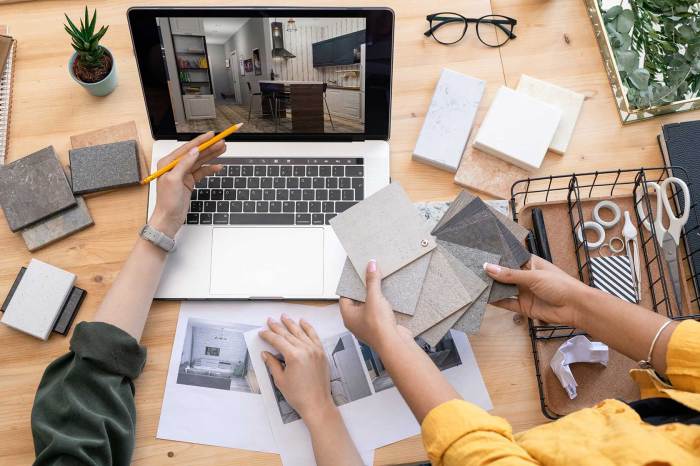
When looking for the perfect interior designer for your project, it's essential to do thorough research and consider various factors to ensure a successful collaboration. Here are some tips to help you find the right interior designer:
Researching and Shortlisting Potential Designers
- Start by researching online and looking at platforms like Houzz, Pinterest, or design websites to find potential interior designers.
- Read reviews, testimonials, and ratings to gauge the satisfaction levels of past clients.
- Ask for recommendations from friends, family, or colleagues who have worked with interior designers before.
Comparing Portfolios for Style and Expertise
- Review the portfolios of different interior designers to get a sense of their style, aesthetic, and expertise.
- Look for projects that resonate with your vision and requirements to ensure a good fit.
- Consider the variety of projects in their portfolio to assess their versatility and ability to work on different styles.
Importance of Meeting for Interviews
- Schedule meetings with potential interior designers to discuss your project, vision, and budget.
- Ask about their design process, timelines, fees, and any other relevant details to understand their approach.
- Pay attention to their communication style, professionalism, and willingness to listen and collaborate with you.
Budgeting and Cost Considerations
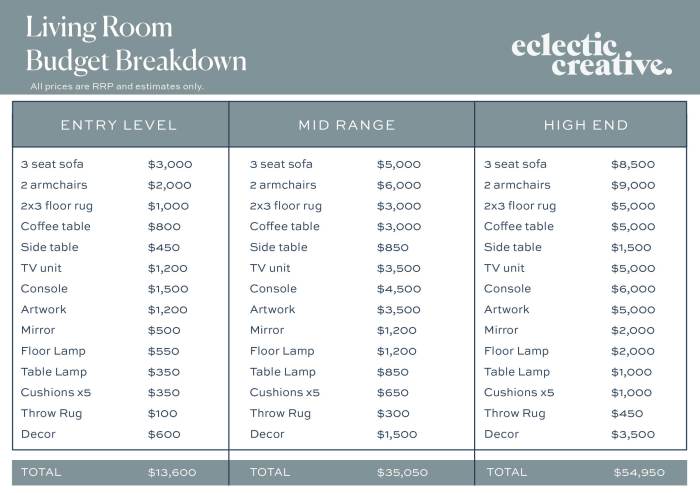
When it comes to hiring an interior designer, budgeting and cost considerations play a crucial role in the decision-making process. Understanding the typical costs associated with hiring an interior designer, setting a budget for your interior design project, and negotiating fees are all essential steps to ensure a successful collaboration.
Typical Costs Associated with Hiring an Interior Designer
- Initial consultation fee: Interior designers may charge an hourly rate or a flat fee for the initial consultation where they assess your needs and project scope.
- Design fee: This fee covers the cost of creating a design plan, including layout, color schemes, furniture selection, and more.
- Project management fee: Some interior designers charge a project management fee to oversee the implementation of the design plan.
- Purchasing fee: If the designer is purchasing furniture, materials, or decor on your behalf, they may charge a percentage of the total cost as a purchasing fee.
- Additional expenses: Other costs such as travel expenses, renderings, or specialized services may also be included in the overall budget.
Setting a Budget for an Interior Design Project
- Assess your financial situation and determine how much you are willing to invest in the project.
- Research the average costs of hiring an interior designer in your area to get an idea of the potential expenses.
- Allocate funds for different aspects of the project such as design fees, purchasing costs, and any additional expenses that may arise.
- Be realistic about your budget and communicate openly with the interior designer to ensure alignment with your financial constraints.
Negotiating Fees with an Interior Designer
- Discuss the scope of the project and your budget limitations with the interior designer upfront.
- Ask for a breakdown of the fees involved and negotiate based on the services you require.
- Consider offering a lump sum fee for the entire project or negotiating a lower hourly rate for specific tasks.
- Be open to compromise and find a pricing structure that works for both parties involved.
Collaborating with an Interior Designer
Effective communication with an interior designer is crucial for a successful project. It ensures that your vision and preferences are understood and implemented accurately. Here are some tips on how to collaborate effectively with an interior designer:
Conveying Your Vision and Preferences
- Start by creating a mood board or collecting images that reflect your style and preferences. This visual aid can help the designer understand your taste.
- Clearly communicate your likes and dislikes regarding colors, textures, furniture styles, and overall aesthetics.
- Be open to the designer's suggestions and expertise while also expressing any non-negotiable elements you want in the design.
- Provide specific examples or references to help the designer grasp the look and feel you want to achieve.
Benefits of Establishing a Good Working Relationship
- Building trust and rapport with the designer can lead to a smoother design process and better outcomes.
- Open communication fosters creativity and collaboration, allowing for innovative design solutions that align with your vision.
- A positive working relationship can help resolve any conflicts or disagreements that may arise during the project, leading to a more harmonious design experience.
- When you and the designer are on the same page, it can result in a space that truly reflects your personality and lifestyle, exceeding your expectations.
The Design Process
Working with an interior designer involves a structured design process that typically consists of several phases. Understanding these phases can help you navigate the collaboration effectively and ensure a successful outcome for your project.
Initial Consultation
During the initial consultation phase, you will meet with the interior designer to discuss your project requirements, goals, and budget. This is an opportunity to share your ideas and vision for the space, as well as to learn more about the designer's process and approach.
Concept Development
Once the initial consultation is complete, the designer will start developing design concepts based on the information gathered. This phase may include mood boards, sketches, and 3D renderings to help you visualize the proposed design direction.
Design Refinement
After presenting the initial concepts, you will have the opportunity to provide feedback and discuss any revisions or adjustments you would like to see. The designer will then refine the design based on your input until it aligns with your vision.
Finalization and Implementation
Once the design is approved, the interior designer will create detailed plans, source materials, and oversee the implementation of the project. This phase involves coordinating with contractors, suppliers, and other professionals to bring the design to life.
Last Point
As we conclude our exploration of The Complete Guide to Hiring a Professional Interior Designer, remember that the key to a seamless design experience lies in the synergy between client and designer. By embracing the principles Artikeld in this guide, you pave the way for a transformative journey towards your dream space.
FAQ Insights
What qualifications are necessary to become a professional interior designer?
To become a professional interior designer, one typically needs a degree in interior design or a related field, along with relevant work experience.
How can I effectively communicate my vision to an interior designer?
Communication with your interior designer is key. Provide visual references, articulate your preferences clearly, and be open to feedback and suggestions.
What are the typical costs associated with hiring an interior designer?
The costs of hiring an interior designer can vary widely based on factors such as experience, project scope, and location. It's essential to discuss fees and budget constraints upfront.
How do I go about shortlisting potential interior designers?
Research online, ask for referrals, and review portfolios to narrow down your choices. Schedule meetings with designers to discuss your project requirements.