"As “Heating and Air Conditioning Near Me: Complete Installation & Repair Guide” takes center stage, this opening passage beckons readers with casual formal language style into a world crafted with good knowledge, ensuring a reading experience that is both absorbing and distinctly original."
"In this guide, we delve into the essentials of heating and air conditioning services, shedding light on the importance of proper installation and repair, as well as the benefits of professional expertise in achieving energy efficiency and indoor comfort."
Introduction to Heating and Air Conditioning Services
Proper installation and repair of heating and air conditioning systems are crucial for maintaining a comfortable indoor environment. These systems play a vital role in regulating temperature, humidity, and air quality, ensuring a healthy and pleasant living or working space.
Efficient HVAC systems not only provide comfort but also contribute to energy savings. By ensuring that your heating and air conditioning units are installed and repaired correctly, you can optimize their performance, reduce energy consumption, and lower utility bills.
Benefits of Professional Services
- Expertise: Professional HVAC technicians have the knowledge and skills to properly install and repair heating and air conditioning systems, ensuring optimal performance and longevity.
- Time-saving: Hiring professionals can save you time and effort, as they can complete the installation or repair efficiently and effectively.
- Safety: Improper installation or repair of HVAC systems can pose safety risks. Professional services help ensure that your systems operate safely and reliably.
- Warranty: Many HVAC manufacturers require professional installation for warranty coverage. By hiring professionals, you can protect your investment and avoid voiding the warranty.
Finding the Best Heating and Air Conditioning Services Near Me
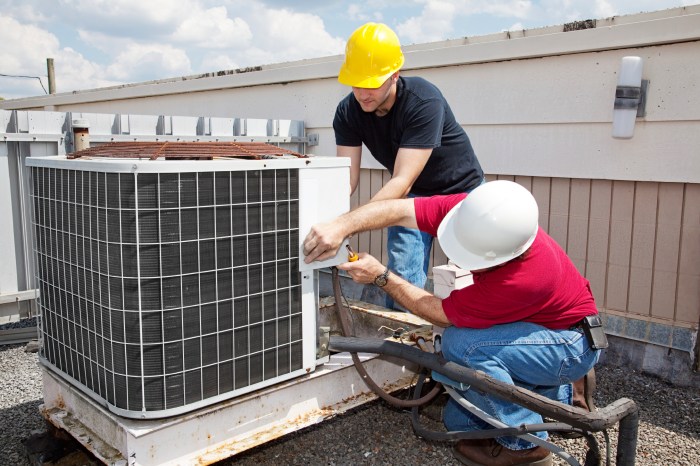
When looking for the best heating and air conditioning services near you, there are several important factors to consider to ensure you choose the right service provider for your needs. Here are some key points to keep in mind:
Cost Comparison
When comparing different heating and air conditioning service providers, it is essential to consider the cost of their services. While affordability is important, it is also crucial to ensure that you are getting quality service for the price you pay.
Some companies may offer lower prices but compromise on the quality of work, so be sure to balance cost with value.
Reputation and Experience
Another crucial factor to consider is the reputation and experience of the service providers. Look for companies with a good reputation in the community and a proven track record of delivering excellent service. Experienced technicians are more likely to diagnose and fix issues correctly the first time, saving you time and money in the long run.
Reading Reviews and Checking References
Before selecting a heating and air conditioning service, take the time to read reviews from previous customers and check references provided by the company. This will give you valuable insights into the quality of their work, customer service, and reliability.
Positive reviews and satisfied customer references are indicators of a trustworthy and reputable service provider.
Complete Installation Guide for Heating and Air Conditioning Systems
Installing a new heating or air conditioning system is a complex process that requires careful planning and professional expertise. Here, we will detail the steps involved in installing a new system, explain the role of professionals in assessing the home's heating and cooling needs, and describe the different types of systems available for installation.
Professional Assessment of Home’s Heating and Cooling Needs
Before installing a new heating or air conditioning system, professionals will conduct a thorough assessment of the home's heating and cooling needs. This includes evaluating the size of the space, insulation levels, existing ductwork, and any specific requirements or preferences of the homeowner.
Different Types of Heating and Air Conditioning Systems
There are several types of heating and air conditioning systems available for installation, each with its own advantages and considerations. Some common types include:
- Forced Air Systems: These systems use ductwork to distribute heated or cooled air throughout the home.
- Radiant Heating Systems: These systems use radiant heat panels or tubing installed in floors, walls, or ceilings to heat a space.
- Ductless Mini-Split Systems: These systems are ideal for homes without ductwork and allow for individualized temperature control in different rooms.
- Geothermal Heat Pumps: These systems use the earth's natural heat to provide heating in the winter and cooling in the summer, offering energy-efficient solutions.
Comprehensive Repair Guide for Heating and Air Conditioning Systems
When it comes to maintaining your heating and air conditioning systems, it's essential to be aware of common issues that may arise, the importance of regular maintenance, and how to troubleshoot minor problems to prevent major repairs.
Identifying Common Issues Requiring Repair
Understanding the common issues that may require repair in heating and air conditioning systems can help you address problems promptly and avoid costly repairs. Some common issues include:
- Leaking refrigerant
- Dirty or clogged filters
- Thermostat malfunctions
- Electrical control failures
- Frozen evaporator coils
Importance of Regular Maintenance
Regular maintenance is crucial in preventing major repairs and extending the lifespan of your HVAC system. By scheduling routine inspections and tune-ups, you can identify potential issues early on and ensure that your system operates efficiently. Some benefits of regular maintenance include:
- Improved energy efficiency
- Enhanced indoor air quality
- Extended system lifespan
- Cost savings on repairs
Tips for Troubleshooting Minor Problems
Being able to troubleshoot minor problems in your heating and air conditioning systems can save you time and money. Here are some tips for troubleshooting common issues:
- Check thermostat settings and replace batteries if needed.
- Clean or replace air filters regularly to maintain airflow.
- Inspect ductwork for leaks or blockages that may affect airflow.
- Clear debris from outdoor unit and ensure proper ventilation.
- Monitor refrigerant levels and schedule professional leak repairs if needed.
Final Conclusion
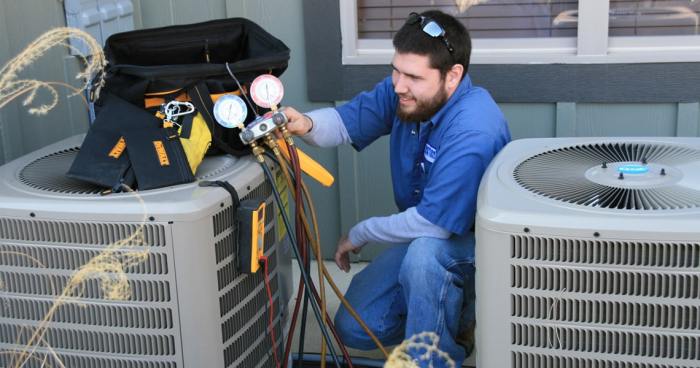
"To wrap up our discussion on “Heating and Air Conditioning Near Me: Complete Installation & Repair Guide,” we've explored the key aspects of HVAC services. From installation to repair, the guide equips you with the knowledge needed to make informed decisions and maintain optimal performance of your systems."
Clarifying Questions
"How often should I have my HVAC system inspected?"
"It is recommended to have your HVAC system inspected at least once a year to ensure it is running efficiently and identify any potential issues early."
"What are the signs that indicate my HVAC system needs repair?"
"Signs like strange noises, uneven heating or cooling, or increased energy bills can indicate that your HVAC system may need repair."
"Is it important to change air filters regularly in HVAC systems?"
"Yes, regularly changing air filters is crucial for maintaining the efficiency and longevity of your HVAC system by ensuring proper airflow and reducing strain on the system."