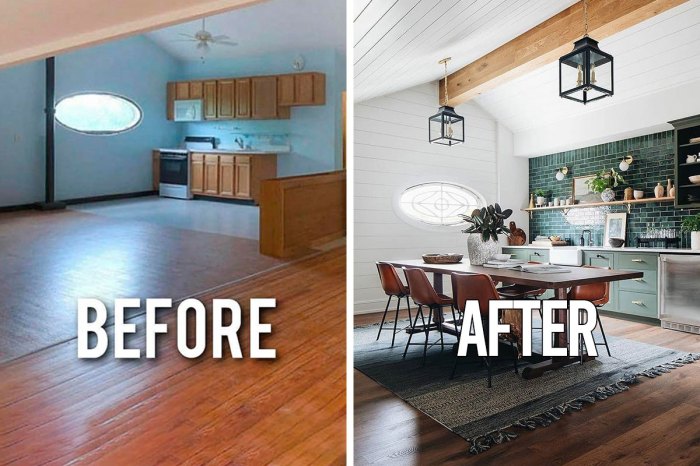
Embark on the journey of selecting the perfect home interior designer right in your vicinity. This guide will walk you through the essential steps to finding the ideal match for your design needs.
Delve into the intricacies of researching, assessing styles, evaluating experience, setting budgets, and checking credentials to make an informed decision.
Researching Home Interior Designers
When looking to hire a home interior designer, thorough research is key to finding the right fit for your project. Here are some tips on how to research local home interior designers effectively.
Checking Portfolios and Reviews
Before making a decision, it's essential to check the portfolios and reviews of the interior designers you are considering. A portfolio will give you a sense of their style and the quality of their work, while reviews from past clients can provide insight into their professionalism and customer satisfaction.
- Look for a diverse range of projects in their portfolio to ensure they can adapt to different styles and preferences.
- Pay attention to the details in their work, such as color schemes, furniture choices, and overall aesthetics.
- Read reviews on reputable platforms to see what clients have to say about their experience working with the designer.
Visiting Showrooms or Design Events
To get a better sense of an interior designer's work in person, consider visiting their showrooms or attending design events where they may showcase their projects. This hands-on approach allows you to see the quality of their work firsthand and envision how they could transform your space.
Seeing the designer's work in person can help you determine if their style aligns with your vision for your home.
- Take note of the attention to detail and craftsmanship in their designs when visiting showrooms.
- Engage with the designer at design events to get a sense of their personality and communication style.
- Ask questions about their process and approach to design to gauge if they are the right fit for your project.
Assessing Design Style and Compatibility
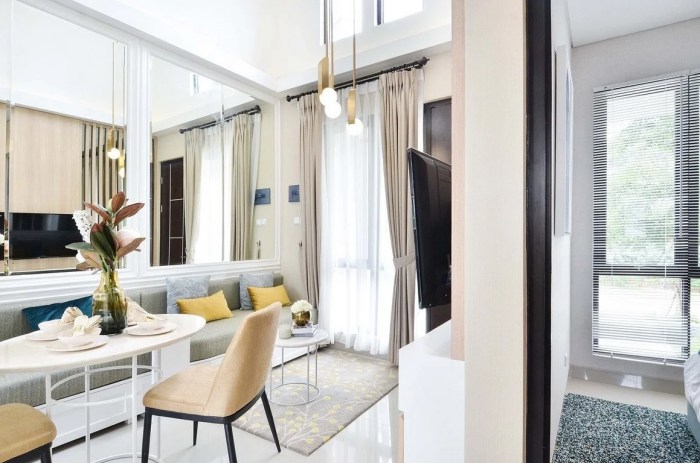
When looking for a home interior designer, it is crucial to assess their design style and compatibility with your preferences. This will ensure that you are satisfied with the end result and that your vision for your home is accurately brought to life.
Identifying Your Preferred Design Style
Before you start searching for a home interior designer, take some time to identify your preferred design style. Look through magazines, websites, and social media platforms to gather inspiration and pinpoint the elements that resonate with you.
- Consider whether you prefer a modern, minimalist, traditional, or eclectic design style.
- Pay attention to color schemes, furniture styles, and decorative accents that appeal to you.
- Take note of any specific themes or motifs that you are drawn to, such as coastal, bohemian, or industrial.
Importance of Finding a Compatible Designer
It is essential to find a home interior designer whose style aligns with yours to ensure a cohesive and harmonious design process. Working with a designer who understands your aesthetic preferences will result in a space that truly reflects your personality and taste.
Choosing a designer with a compatible style can streamline the decision-making process and prevent conflicts or misunderstandings.
Communicating Your Style Preferences Effectively
When meeting with potential designers, clearly communicate your style preferences to help them understand your vision for your home. Provide them with visual references, such as mood boards or Pinterest boards, to convey your ideas effectively.
- Discuss your likes and dislikes regarding colors, textures, patterns, and overall design aesthetics.
- Be open to suggestions and feedback from the designer while staying true to your personal style.
- Ask the designer to show you samples, sketches, or 3D renderings to ensure that they capture your vision accurately.
Evaluating Experience and Expertise
When choosing a home interior designer, it is crucial to assess their experience and expertise in the field. This can give you a better understanding of their capabilities and ensure that they can deliver the results you desire.When evaluating the experience and expertise of a home interior designer, consider the following tips:
Checking Past Projects and Client Testimonials
- Review the designer's portfolio to see examples of their past projects. This can give you an idea of their design style, creativity, and attention to detail.
- Read client testimonials or reviews to learn about their experience working with the designer. This can provide insight into their professionalism, communication skills, and ability to meet deadlines.
- Ask for references and contact past clients directly to inquire about their satisfaction with the designer's work.
Importance of Experience in Specific Areas
- Consider whether the designer has experience working on residential projects, commercial spaces, or specific types of design styles (e.g., modern, traditional, eclectic).
- Experience in specific areas can be crucial as it indicates the designer's familiarity with the unique challenges and requirements of different types of projects.
- Choose a designer who has a track record of success in the specific area you need assistance with to ensure they can deliver the best results.
Setting Budget and Negotiating Fees

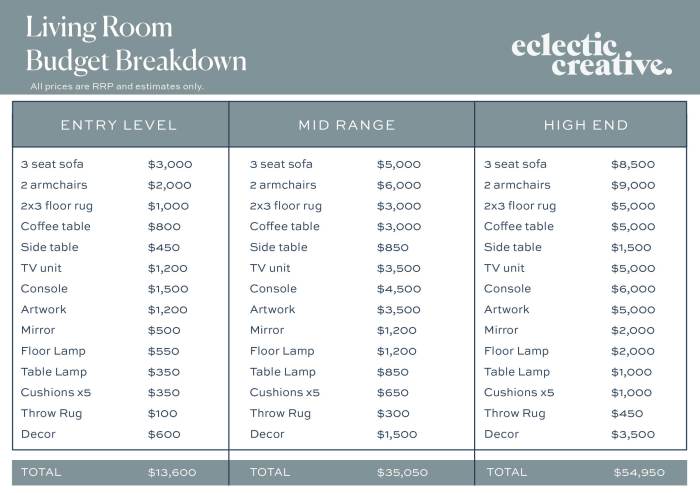
Setting a budget and negotiating fees with a home interior designer is a crucial step in the design process. By understanding the different fee structures and knowing how to effectively negotiate, you can ensure that you get the best value for your money while receiving high-quality design services.When it comes to setting a budget for hiring a home interior designer, consider the scope of your project, your expectations, and the level of expertise you are seeking.
Research the average cost of hiring a designer in your area to get an idea of what to expect. Be realistic about what you can afford and be open to discussing your budget with potential designers.
Different Fee Structures
- Hourly Rates: Some designers charge an hourly rate for their services. This can be beneficial for smaller projects or when you are unsure of how much time will be required.
- Flat Fees: Designers may also offer flat fees for specific services or entire projects. This can provide more predictability in terms of costs.
- Percentage of Project Cost: Another common fee structure is charging a percentage of the total project cost. This can vary depending on the designer's experience and the scope of the project.
Negotiating Fees
- Be Transparent: Clearly communicate your budget and expectations with the designer from the beginning. This sets the foundation for a productive negotiation process.
- Discuss Scope of Work: Make sure to Artikel the scope of work and understand what is included in the designer's fee. This can help prevent any misunderstandings later on.
- Ask for Options: If the designer's initial fee proposal exceeds your budget, don't be afraid to ask for alternative pricing options or a breakdown of costs. This can help identify areas where you can make adjustments.
- Focus on Value: Instead of just negotiating based on price, focus on the value that the designer can provide. Consider their experience, portfolio, and design style to assess if they are the right fit for your project.
Checking Credentials and Certifications

When choosing a home interior designer, it is crucial to check their credentials and certifications to ensure you are working with a professional who meets industry standards.
Importance of NCIDQ, ASID, or IIDA
- NCIDQ (National Council for Interior Design Qualification): This certification ensures that the designer has met specific education and experience requirements, as well as passed a rigorous exam. It signifies a high level of competence and professionalism.
- ASID (American Society of Interior Designers): Membership in ASID indicates that the designer has met certain standards of education and experience, and follows a strict code of ethics. It shows a commitment to quality and excellence in design.
- IIDA (International Interior Design Association): Being a member of IIDA demonstrates a designer's dedication to advancing the interior design profession and staying current with industry trends and practices.
Credentials like NCIDQ, ASID, and IIDA provide assurance that a home interior designer has the necessary knowledge, skills, and expertise to deliver high-quality design work.
Final Conclusion
As we wrap up our exploration of choosing the best home interior designer near you, remember that finding the right fit is key to bringing your design vision to life. With the tips provided, you're well-equipped to make a confident choice for your next interior design project.
Quick FAQs
How important is it to visit showrooms or design events when researching home interior designers?
Visiting showrooms or design events allows you to witness the designer's work firsthand and get a feel for their style and creativity.
What are some common fee structures used by home interior designers?
Designers may charge hourly rates, flat fees, or a percentage of the project cost, so it's important to clarify this before engaging their services.
Why are certifications like NCIDQ, ASID, or IIDA important when choosing a home interior designer?
These certifications ensure professionalism and quality in design work, indicating that the designer has met certain standards and requirements in the industry.