
Sell My House Fast in Portland, Oregon: iBuyer vs. Traditional Sale Breakdown sets the stage for this enthralling narrative, offering readers a glimpse into a story that is rich in detail with casual formal language style and brimming with originality from the outset.
As we delve into the intricacies of selling your house quickly in Portland, Oregon, the comparison between iBuyers and traditional sales will unfold, shedding light on the best approach for your needs.
iBuyer vs. Traditional Sale Overview
When it comes to selling your house in Portland, Oregon, you have two main options: iBuyers and traditional real estate transactions. iBuyers are companies that use technology to make quick cash offers on homes, while traditional sales involve listing your home on the market with a real estate agent.The key difference between iBuyers and traditional sales is the speed and convenience they offer.
iBuyers can provide you with a fast, hassle-free sale, often closing within a few days to a few weeks. On the other hand, traditional sales can take longer due to the need for showings, negotiations, and financing approval.Some well-known iBuyer companies operating in Portland, Oregon, include Opendoor, Zillow Offers, and Offerpad.
These companies typically use algorithms to determine the value of your home and make an instant cash offer. If you accept the offer, they will buy your house directly from you, taking care of any necessary repairs or updates before selling it again.
Pros and Cons of Selling to iBuyers
Selling a house to an iBuyer can offer various advantages and disadvantages compared to traditional sales. Let's delve into the pros and cons of selling to iBuyers.
Advantages of Selling to iBuyers
- Speed: iBuyers typically offer a quick sale process, allowing homeowners to sell their property fast without the hassle of listing.
- Convenience: Selling to an iBuyer often involves minimal effort on the homeowner's part, as they handle the necessary repairs and paperwork.
- Certainty: iBuyers provide a predictable closing date, giving sellers peace of mind and eliminating uncertainties associated with traditional sales.
- No Showings: With iBuyers, there is no need to constantly prepare for showings and disruptions to daily life.
Drawbacks of Selling to iBuyers
- Lower Offers: iBuyers may offer less than market value for a property, reducing the seller's potential profit compared to a traditional sale.
- Fees: Selling to an iBuyer can come with additional fees and costs, which may eat into the final sale price.
- Limited Negotiation: Sellers have limited room for negotiation with iBuyers, as the offers are typically non-negotiable.
- Lack of Personalization: iBuyers may not take into account the sentimental value or unique features of a property, leading to a potentially impersonal transaction.
Convenience Factor: iBuyers vs. Traditional Sales
Selling to an iBuyer is often more convenient for homeowners who value speed and simplicity in the selling process. iBuyers streamline the sale experience by eliminating the need for showings, repairs, and lengthy negotiations. On the other hand, traditional sales offer more flexibility in terms of pricing and negotiating, allowing sellers to potentially fetch a higher price for their property.
Homeowners should weigh the convenience factor against potential financial trade-offs when deciding between selling to an iBuyer or through a traditional sale.
Pros and Cons of Traditional Real Estate Sales
When it comes to selling a house through traditional real estate channels, there are both advantages and disadvantages to consider.
Benefits of Choosing a Traditional Real Estate Sale
- Access to a wider pool of potential buyers, including those who prefer a more traditional approach to home buying.
- Opportunity for face-to-face interactions and personalized communication with potential buyers.
- Potential for higher selling prices through competitive bidding in a traditional sale.
Challenges or Delays in Traditional Sale
- Longer timeframes for closing due to the need for inspections, appraisals, and negotiations.
- Potential for deals to fall through during the negotiation process, leading to delays in the sale.
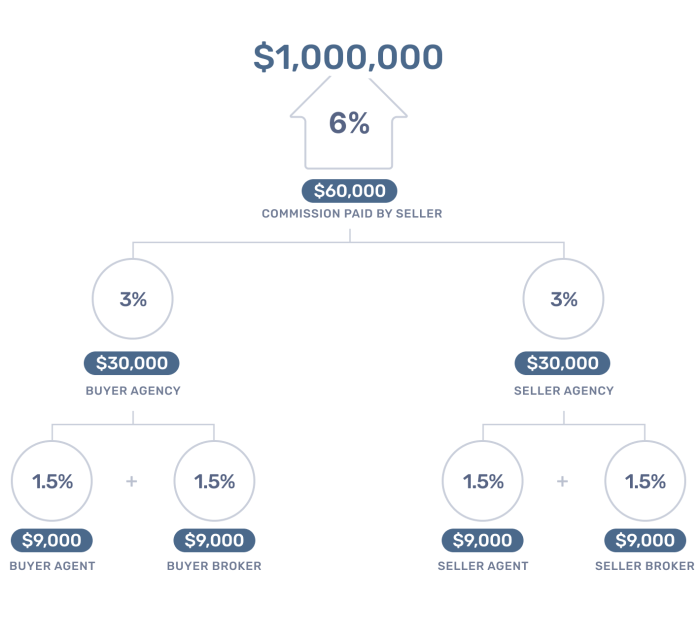
- Higher transaction costs associated with commissions, closing costs, and repairs required to meet buyer demands.
Insights on the Negotiation Process in Traditional Real Estate Transactions
- Negotiations in traditional sales often involve counteroffers and back-and-forth communication between buyers and sellers.
- Both parties may need to compromise on certain terms to reach a mutually agreeable deal.
- Having a skilled real estate agent can be beneficial in navigating the negotiation process and securing the best possible outcome for the seller.
Speed and Efficiency Comparison
When it comes to selling your house, speed and efficiency are crucial factors to consider. Let's explore how selling to an iBuyer compares to the traditional real estate sales process in terms of timeline and closing speed
Typical Timeline for Selling to an iBuyer
Selling to an iBuyer in Portland, Oregon typically involves a streamlined process. From the initial offer to closing, the entire transaction can be completed in as little as a few days to a few weeks. iBuyers are known for their quick turnaround times, allowing homeowners to sell their properties fast without the lengthy wait associated with traditional sales.
Speed of Closing a Deal with an iBuyer vs. Traditional Sale
Compared to a traditional real estate sale, selling to an iBuyer offers a significantly faster closing process. iBuyers are often able to provide an offer within 24 to 48 hours of a homeowner's request, and once accepted, the closing can happen in a matter of days.
On the other hand, traditional sales can take several months from listing to closing, depending on market conditions, inspections, negotiations, and other factors.
Examples of Quick Sales with iBuyers and Traditional Methods
Case studies have shown instances where homeowners in Portland have sold their houses to iBuyers and closed the deal within a week. These quick sales are made possible by the streamlined processes and efficient operations of iBuyers. In contrast, traditional real estate sales may take anywhere from 30 to 90 days or more to complete, with multiple steps involved such as listing, showings, offers, negotiations, and closing.
Costs and Fees Breakdown
When selling your house to an iBuyer, it's important to understand the costs and fees involved in comparison to a traditional sale. Let's break down the financial implications of both options and explore any hidden fees sellers should be aware of.
Costs and Fees Associated with Selling to an iBuyer
- iBuyer Service Fee: iBuyers typically charge a service fee, which can range from 5% to 12% of the sale price.
- Repair Costs: iBuyers may deduct repair costs from the offer price, reducing the net amount you receive.
- Closing Costs: Sellers are still responsible for paying closing costs, which can include title insurance, escrow fees, and transfer taxes.
Financial Implications of Selling to an iBuyer vs. Traditional Sale
- Speed vs. Profit: While selling to an iBuyer can be faster, it may result in a lower sale price compared to a traditional sale, where you have more control over the listing price and negotiations.
- Net Proceeds: Sellers should compare the net proceeds from both options after deducting all costs and fees to determine the most profitable choice.
Hidden Fees or Charges to Watch Out For
- Administrative Fees: Some iBuyers may charge administrative fees on top of their service fee, so sellers should inquire about any additional charges upfront.
- Contractual Obligations: Sellers should carefully review the terms of the agreement with an iBuyer to avoid any surprise fees or penalties.
Market Trends in Portland, Oregon
Portland, Oregon, is known for its vibrant real estate market with a mix of urban and suburban neighborhoods. Let's delve into the current market trends and how iBuyers are impacting the local housing scene.
Current Real Estate Market Conditions
- Portland has experienced a strong seller's market in recent years, with limited inventory and high demand driving prices up.
- The median home price in Portland is above the national average, making it an attractive market for sellers looking to capitalize on their property.
- Factors such as job growth, low-interest rates, and a desirable quality of life contribute to the steady demand for housing in the area.
Impact of iBuyers on Pricing and Competition
- iBuyers have introduced a new dynamic to the Portland housing market by offering quick and hassle-free transactions for sellers.
- While iBuyers may provide convenience, their offers often come at a cost, with pricing typically lower than what sellers could achieve on the open market.
- This can create competition with traditional real estate agents, who may need to adjust their strategies to compete with the speed and efficiency of iBuyers.
Demand for Quick House Sales in Portland
- There is a growing trend among sellers in Portland looking to sell their homes quickly, whether due to job relocation, financial reasons, or other circumstances.
- Sellers can leverage this demand by exploring options like iBuyers, traditional sales, or working with real estate agents who specialize in fast transactions.
- Understanding the market trends and demand for quick sales can help sellers make informed decisions that align with their goals and timelines.
Outcome Summary

In conclusion, navigating the options of selling your house fast in Portland, Oregon, involves weighing the benefits and drawbacks of iBuyers and traditional sales. With this breakdown, you are equipped to make an informed decision that suits your timeline and financial goals.
Question Bank
What are the advantages of selling to an iBuyer?
Selling to an iBuyer can offer a quick sale without the hassle of showings and repairs, providing convenience for sellers on a tight timeline.
What challenges might sellers face in a traditional real estate sale?
Traditional sales can involve longer timelines, negotiations, and potential delays due to market conditions, which may not be suitable for those looking to sell quickly.
Are there hidden fees sellers should be aware of in both iBuyer and traditional sales?
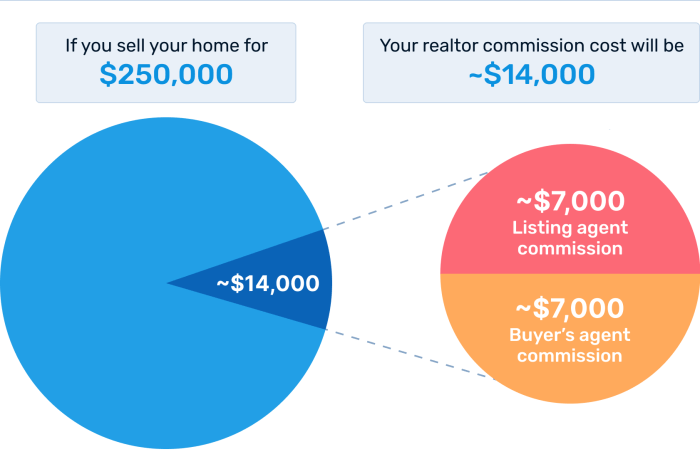
While iBuyers may have service fees, traditional sales can come with closing costs, agent commissions, and repair expenses that sellers should factor into their decision-making process.